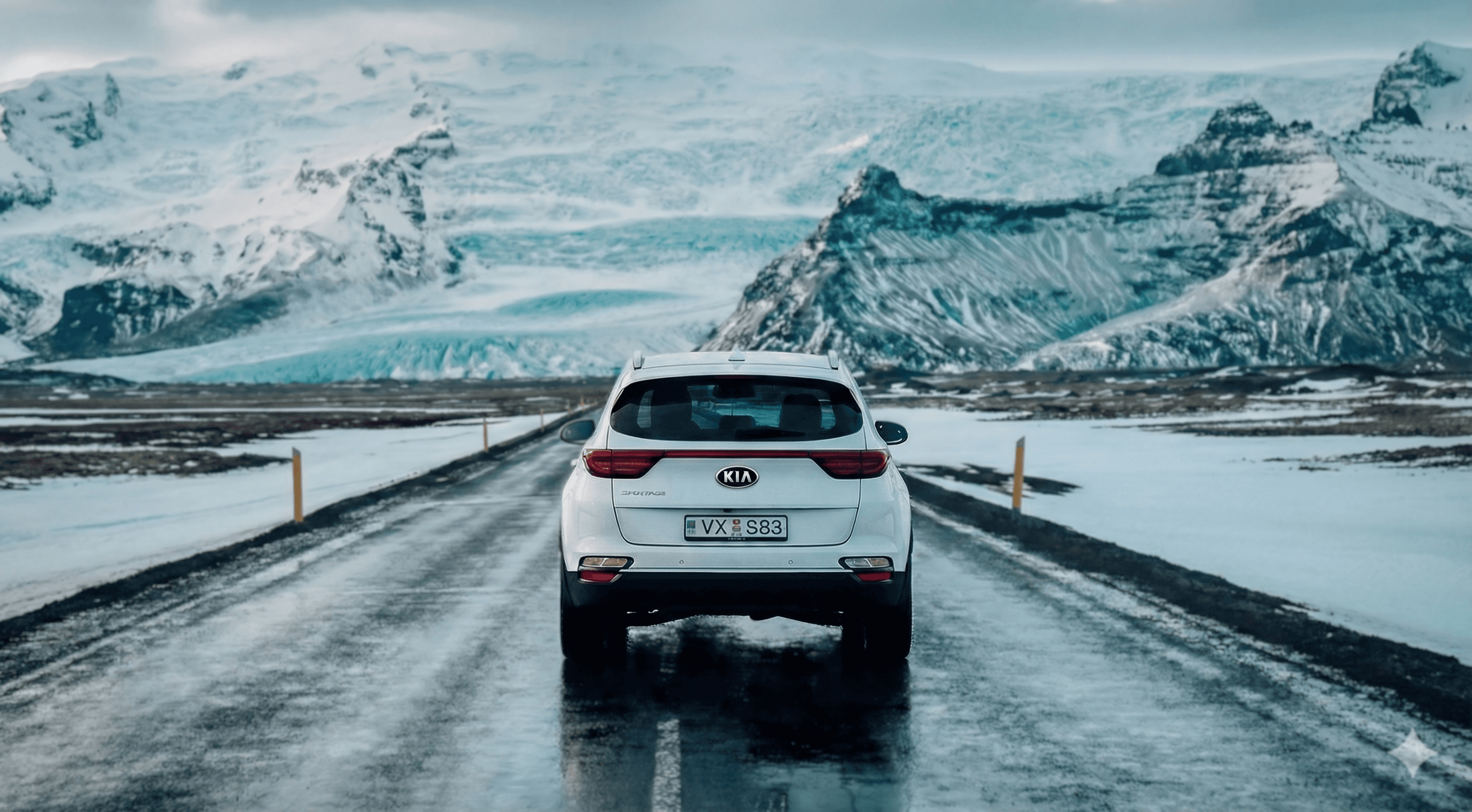
Weather in Iceland: 8 Things You Must Know
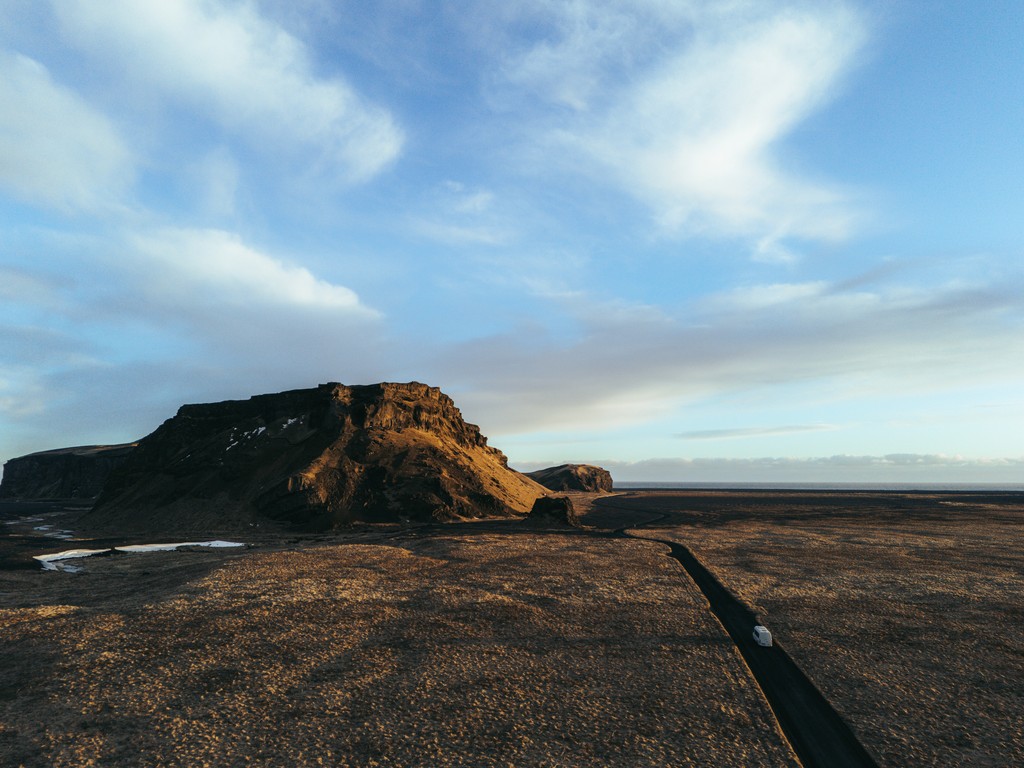
The Weather Changes Fast
The first rule of Icelandic weather is simple: never trust the sky for too long. A sunny morning can turn into rain, fog or strong wind by the afternoon.
This is why flexible planning matters. Do not build your route too tightly. Leave extra time between stops, check the forecast before driving and be ready to adjust your plan.
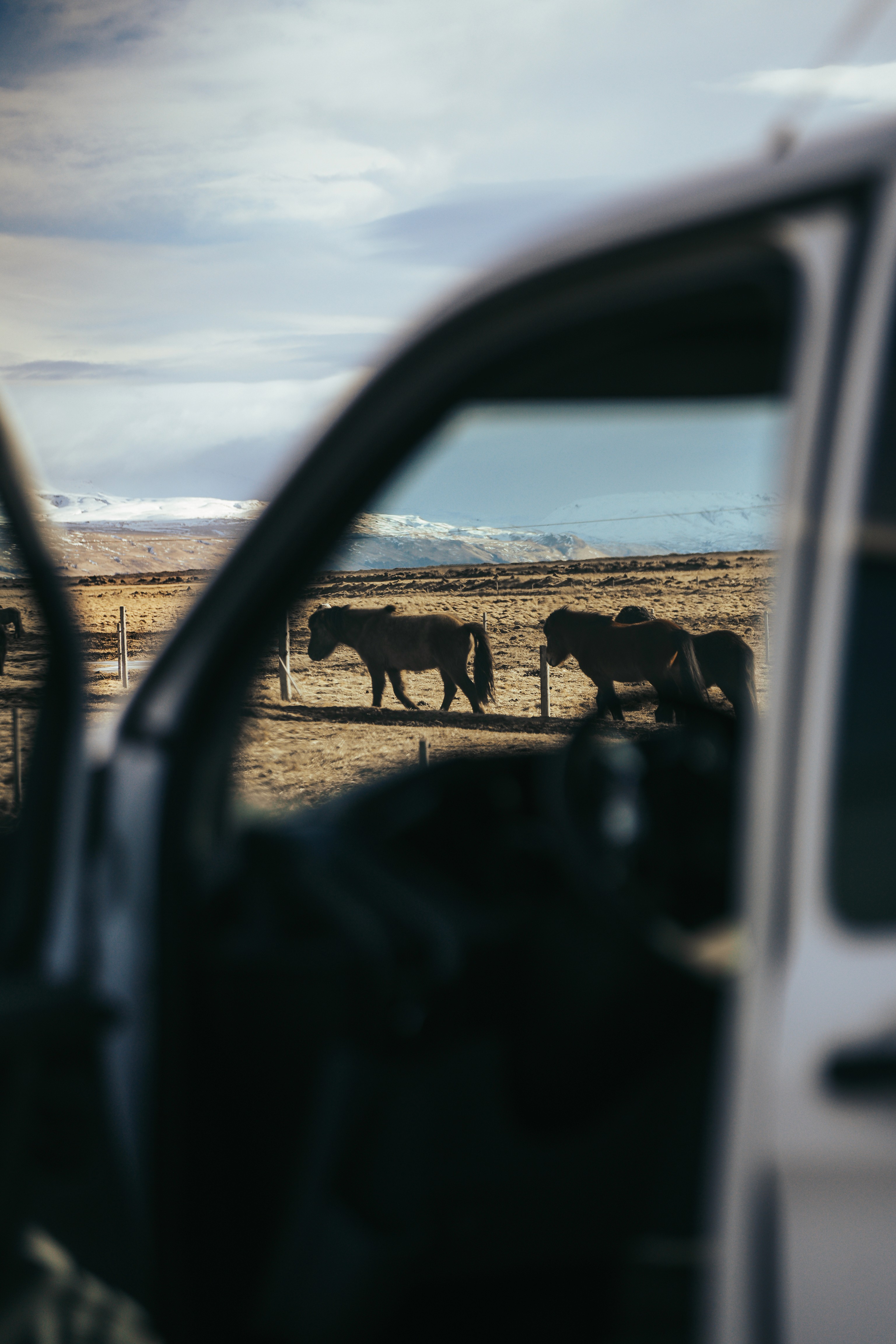
Wind Is the Real Boss in Iceland
Many travellers expect cold weather, but wind is often the bigger problem. Strong gusts can make driving difficult, especially on open roads, mountain passes and coastal areas.
Be careful when opening car doors in strong wind. Hold the door with both hands, especially at beaches, viewpoints and exposed parking areas. One careless moment can turn a beautiful stop into an expensive repair.
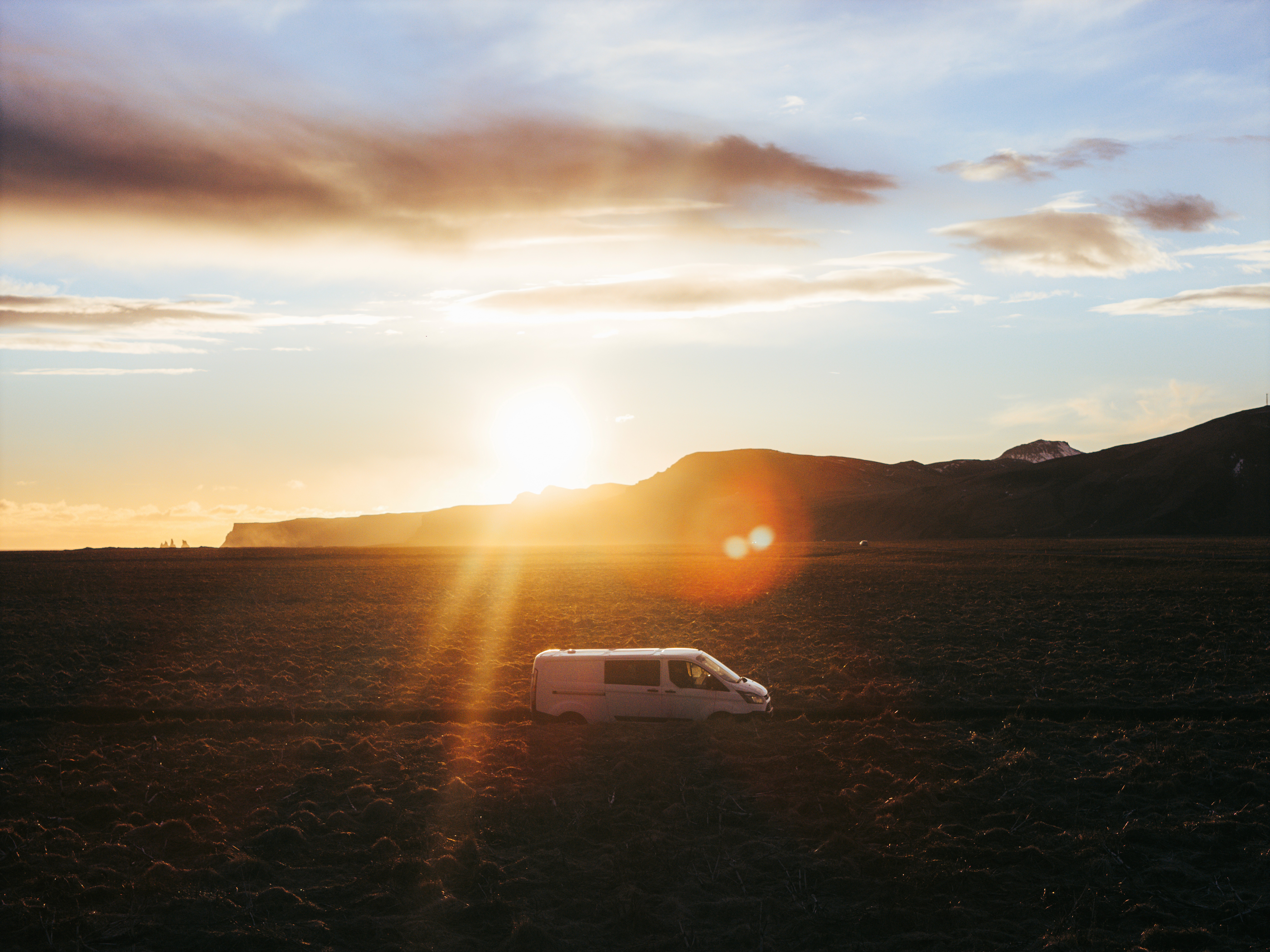
Summer Does Not Mean Hot Weather
Summer in Iceland is mild, not tropical. Even in June, July and August, you should expect cool air, wind and changing conditions.
Pack layers, waterproof clothing and good shoes. A T-shirt-only plan in Iceland is optimism, not preparation.
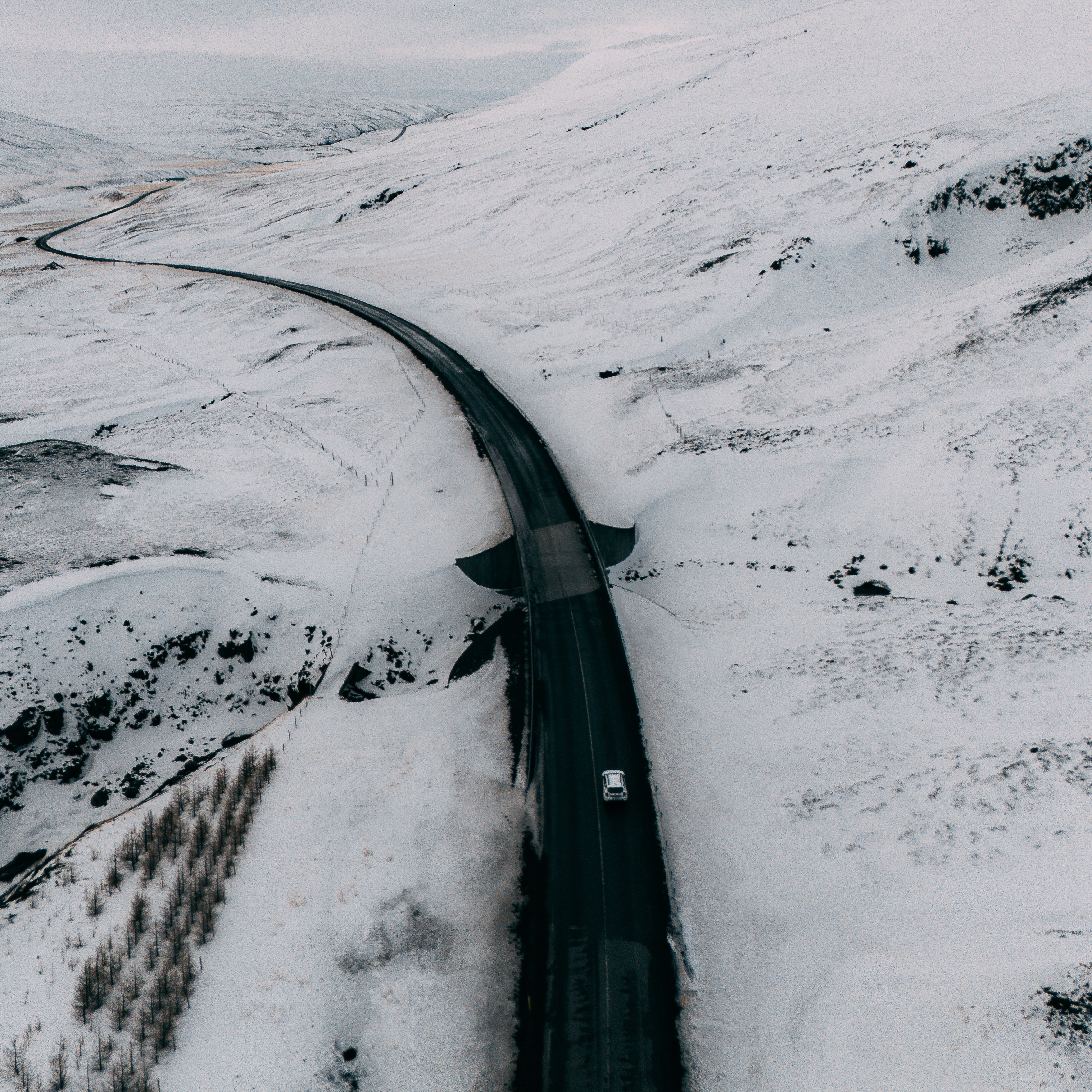
Winter Weather Can Change Your Route
Winter in Iceland can be magical, but it requires respect. Snow, ice, short daylight hours and sudden road closures can affect your travel plans.
If you visit in winter, check the forecast and road conditions every day. Do not drive into bad weather just because your hotel is booked somewhere else. In Iceland, changing the plan is often the smartest plan.
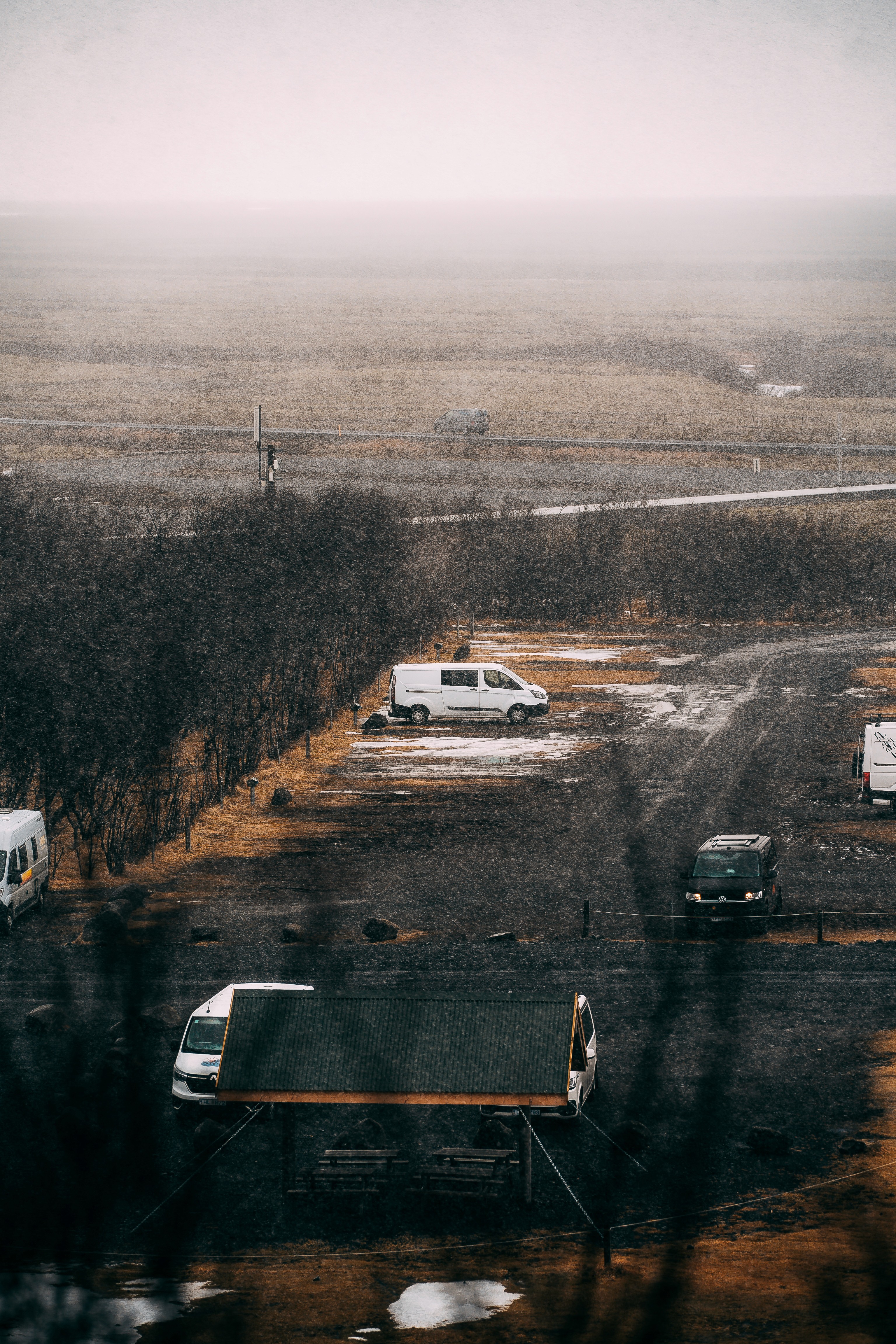
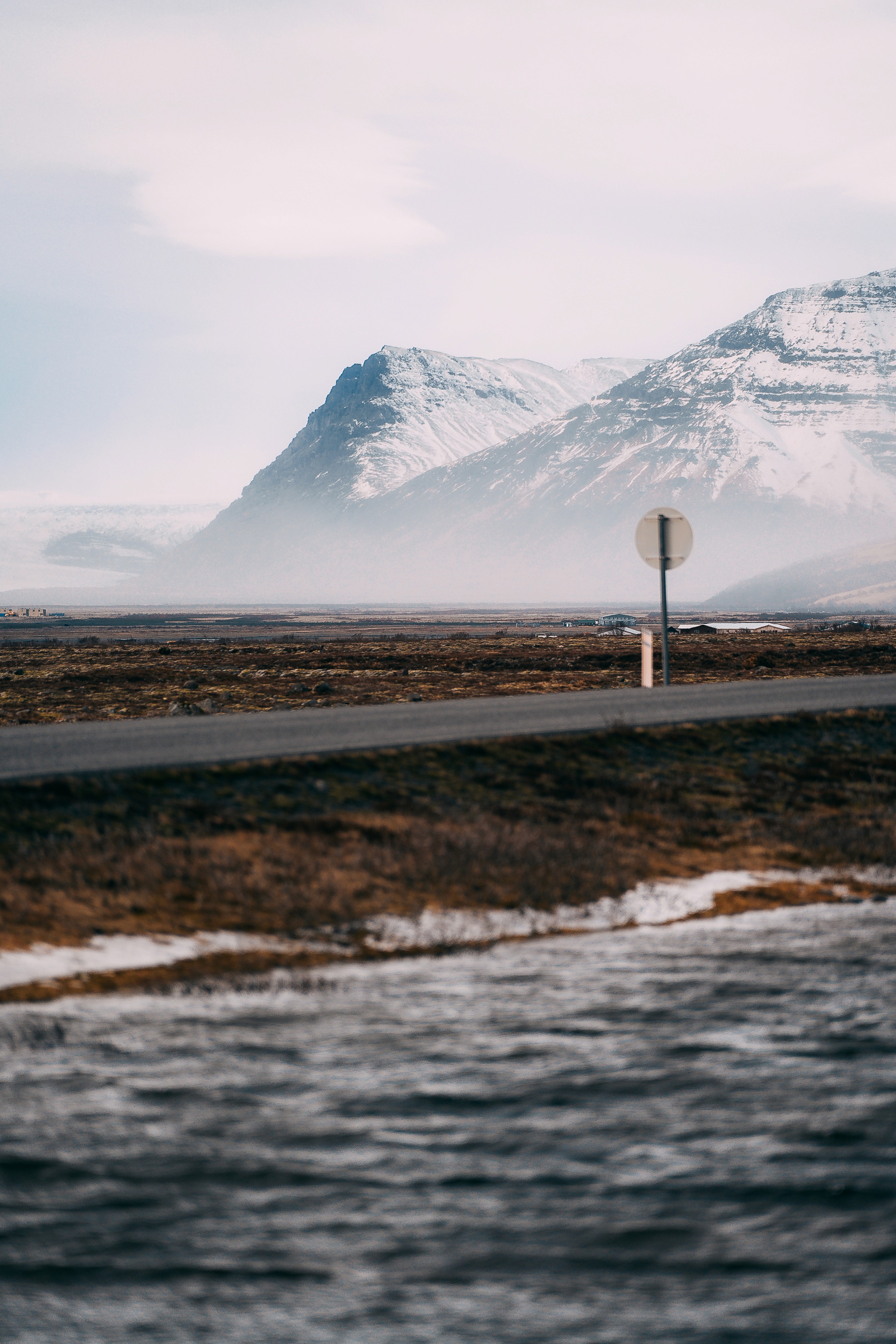

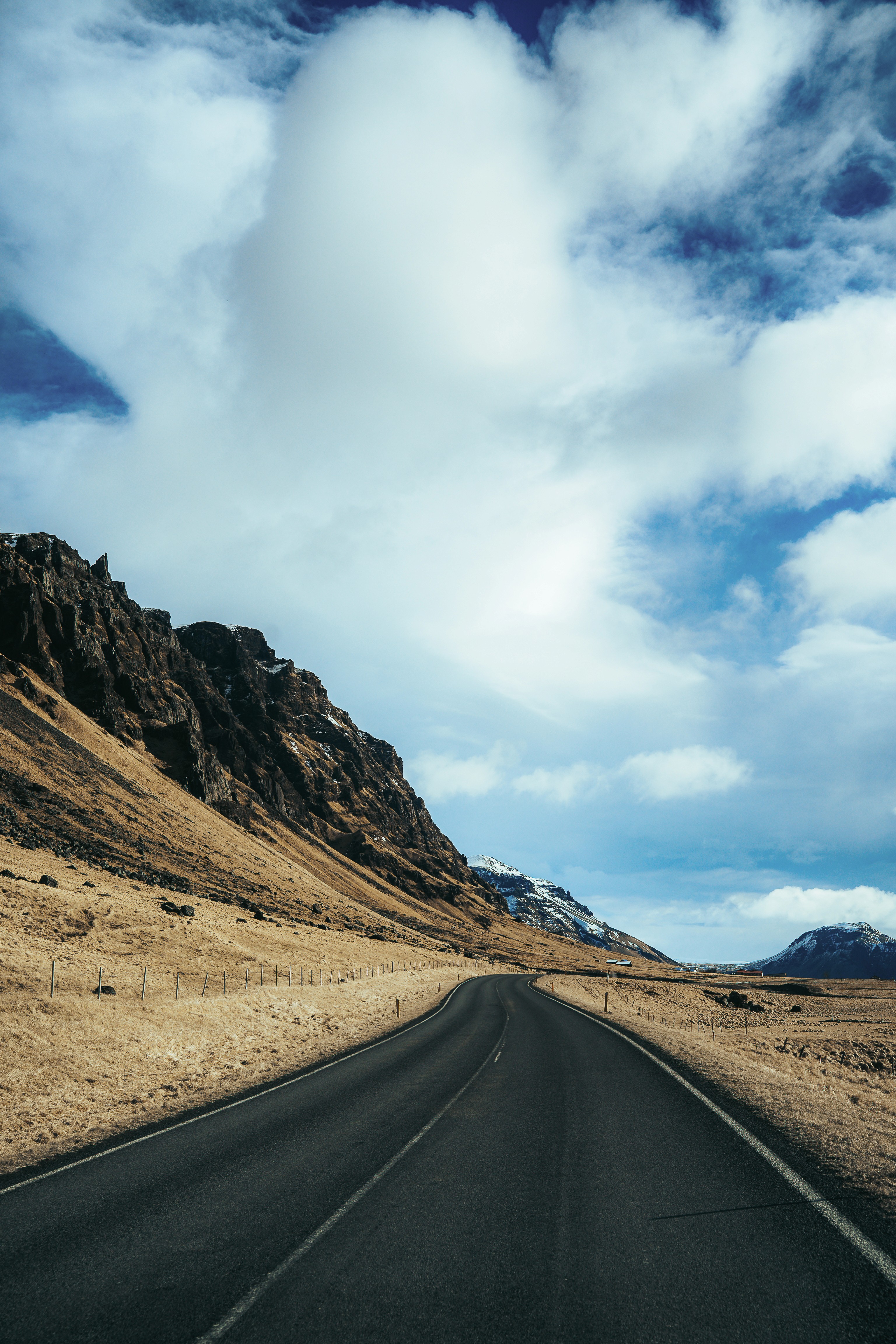
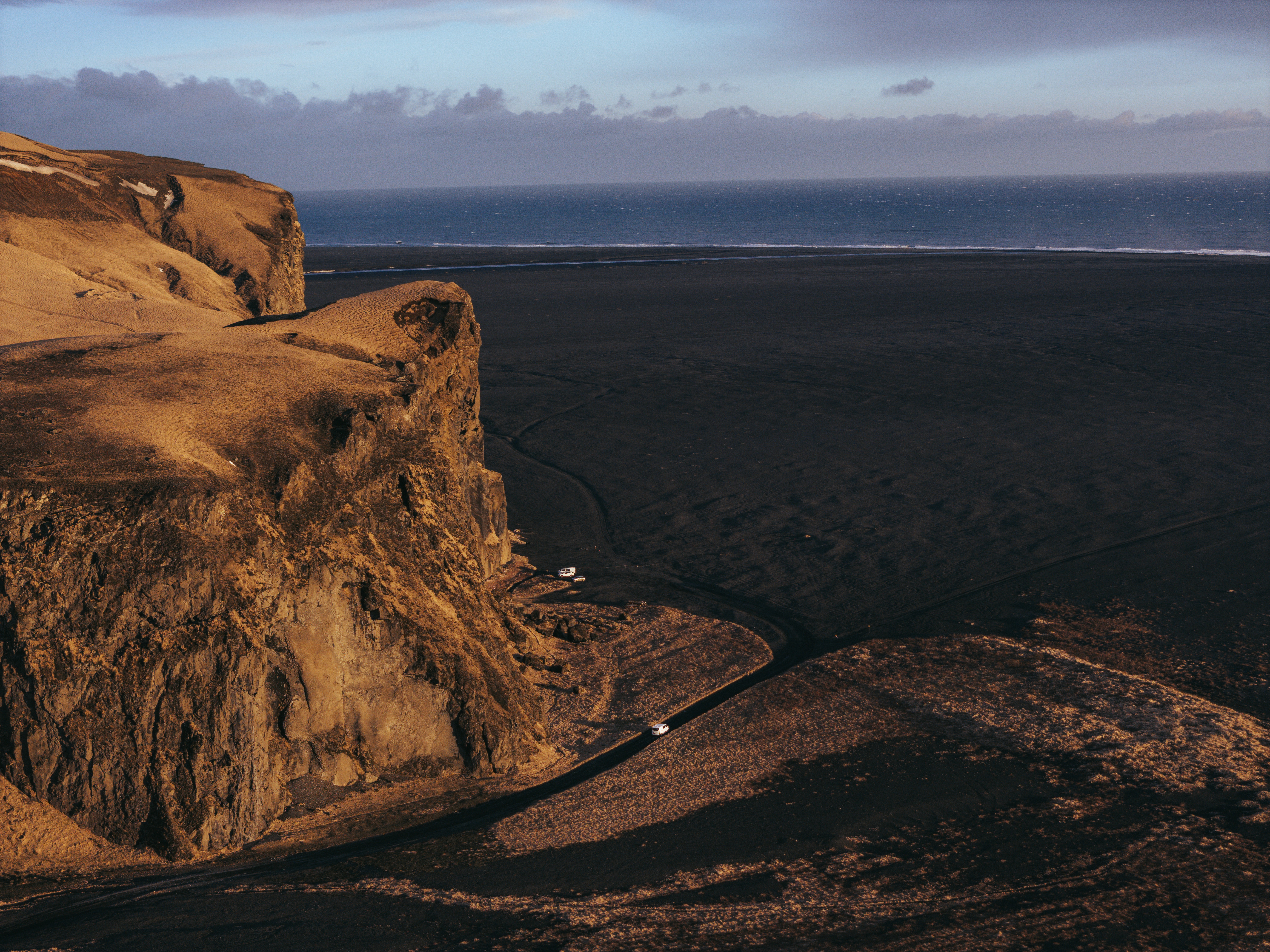
Our best advice is simple: plan your route around the weather, not only around attractions.
If the South Coast is windy, maybe the Golden Circle is better that day. If a mountain pass looks risky, wait or change direction. Iceland rewards travellers who stay flexible.
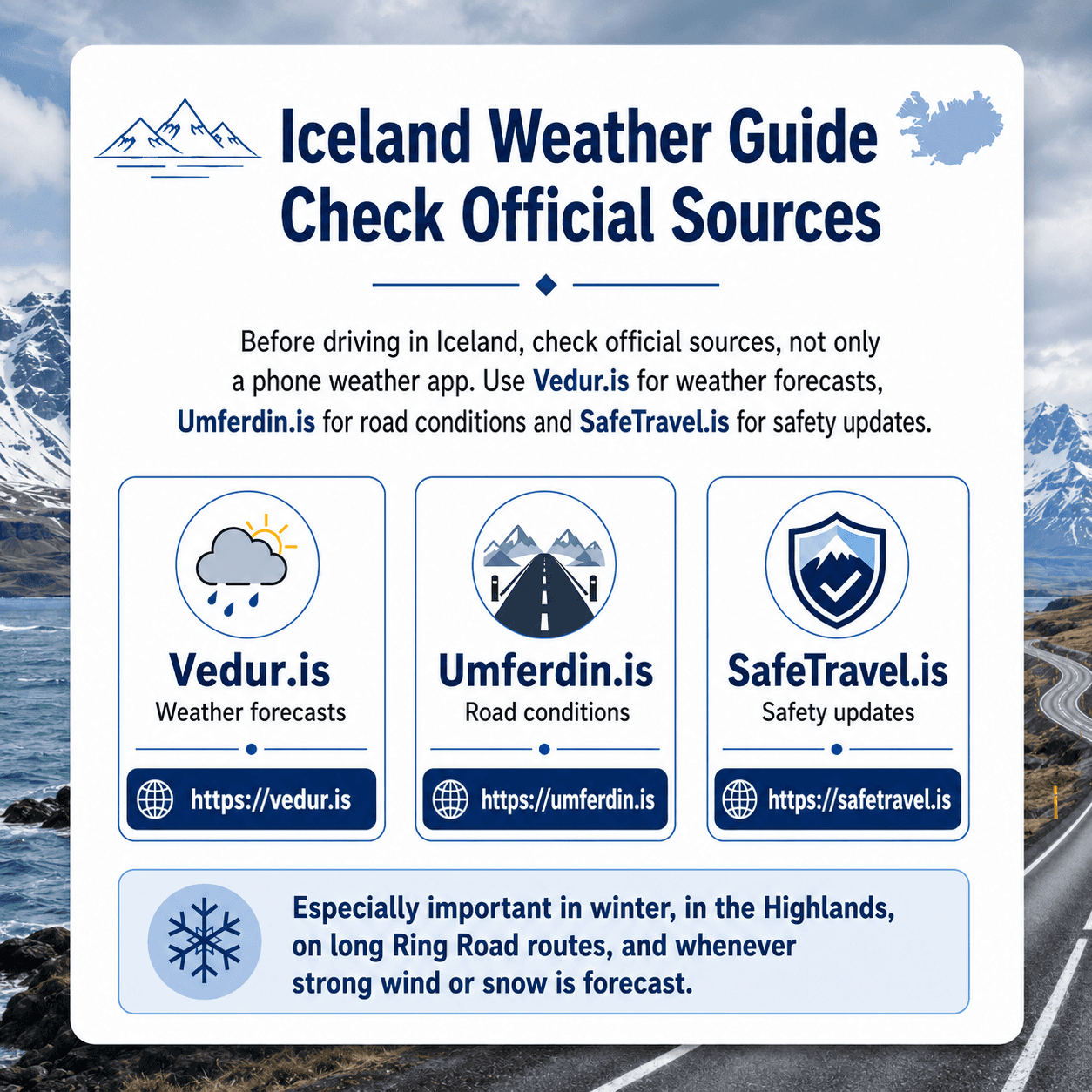
Before you leave in the morning, check Vedur.is, Umferdin.is and SafeTravel.is. It takes two minutes and can save your whole day.
In summer, a regular car can be enough for popular routes such as Reykjavík, the Golden Circle and parts of the South Coast in good conditions.
For longer road trips, changing weather, gravel roads, North Iceland, East Iceland or winter travel, a 4x4 SUV is the better choice. A Kia Sportage or Toyota RAV4 gives you more comfort, stability and confidence.
A campervan is great for flexible summer travel, but weather still matters. Strong wind, heavy rain and cold nights can affect the experience, so always choose official campsites and plan realistic driving days.
For winter, rural areas or uncertain conditions, choose a 4x4 SUV. No drama, just common sense.