Where to See Puffins in Iceland
Your Journey

When is the Iceland Puffin Season?

Timing is everything. If you arrive in September, the cliffs will be empty. The Iceland puffin season typically runs from early May to mid-August.

  • Arrival (May): The first explorers arrive to reclaim their burrows.

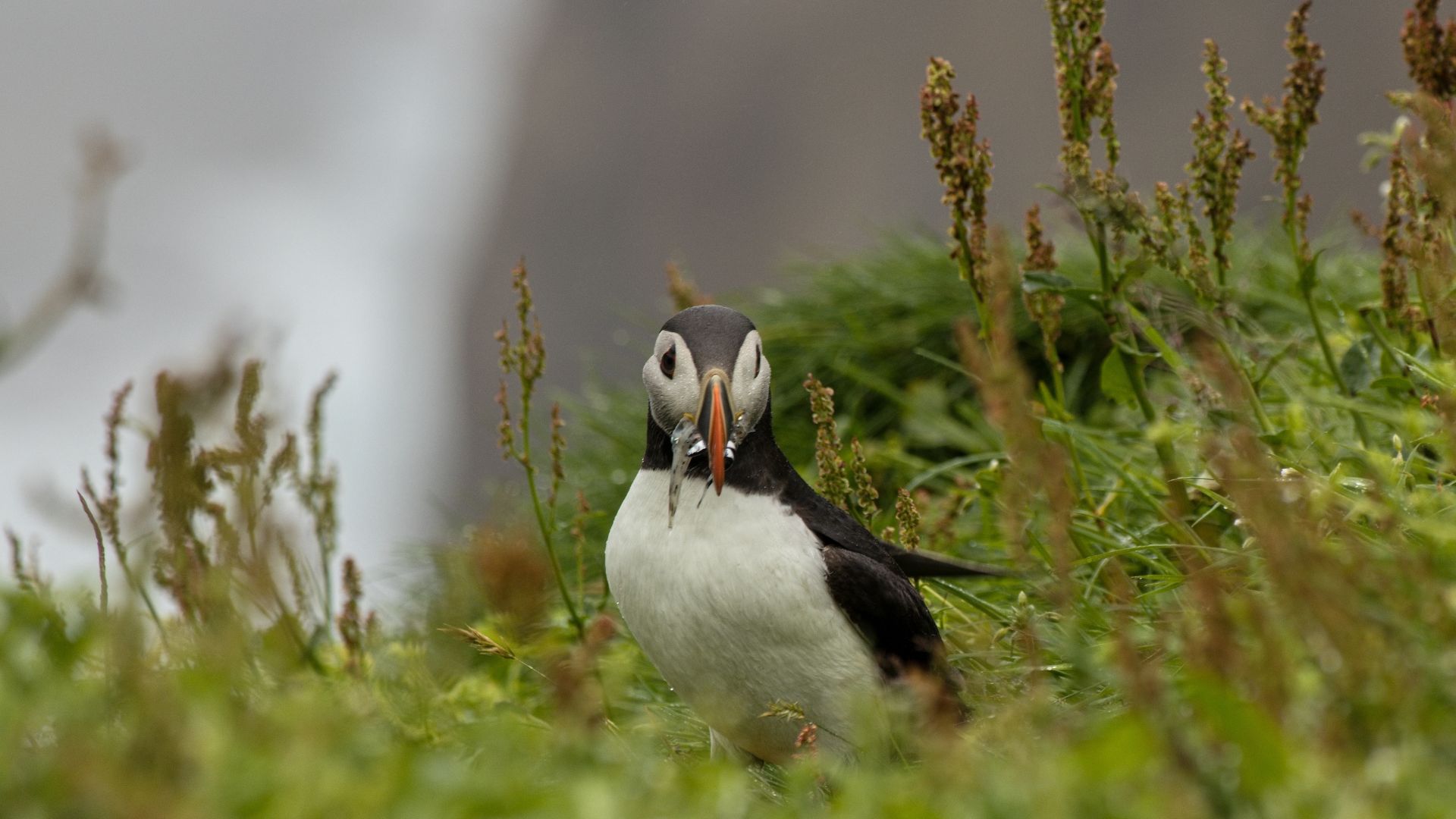
  • Peak Viewing (June – July): This is the best time to see them. The parents are busy flying back and forth with mouthfuls of sand eels to feed their "pufflings."

  • Departure (August): By mid-August, the pufflings head out to sea, and the colonies begin to thin out.

Pro Tip: The best time of day to see puffins is usually in the morning (07:00–10:00) or evening (18:00–22:00) when they return to their burrows after a day of fishing.

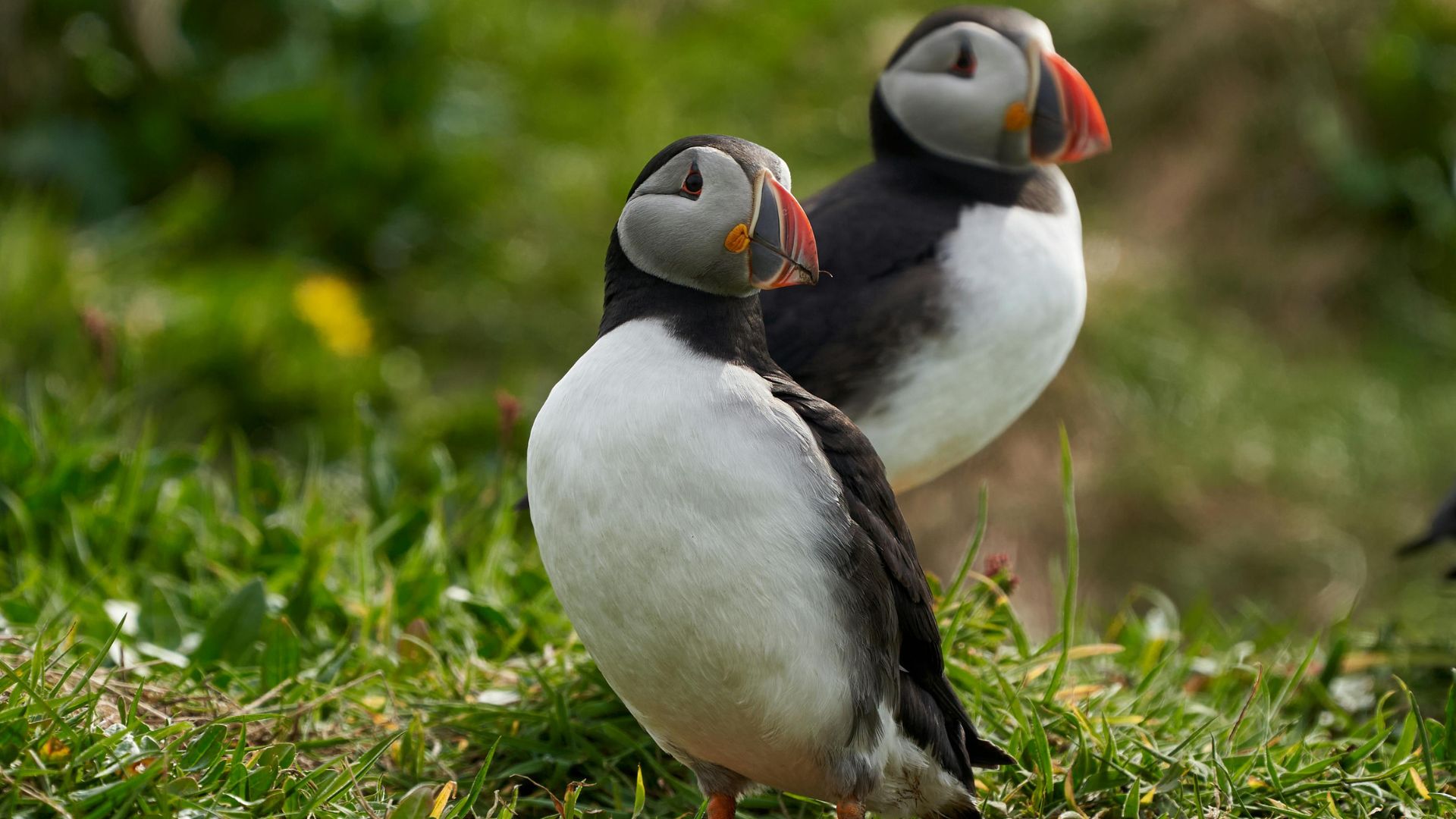
Látrabjarg is one of the most famous puffin watching spots in Iceland.

Látrabjarg, Westfjords

Látrabjarg is one of the most famous puffin watching spots in Iceland. These huge sea cliffs are remote, dramatic and full of birdlife during summer. The puffins here are known for being less afraid of people, which makes it a great place for photography. But the area is wild, and the cliffs are very high, so you must be careful.

Good to know: The Westfjords require planning. Check road and weather conditions before driving there.
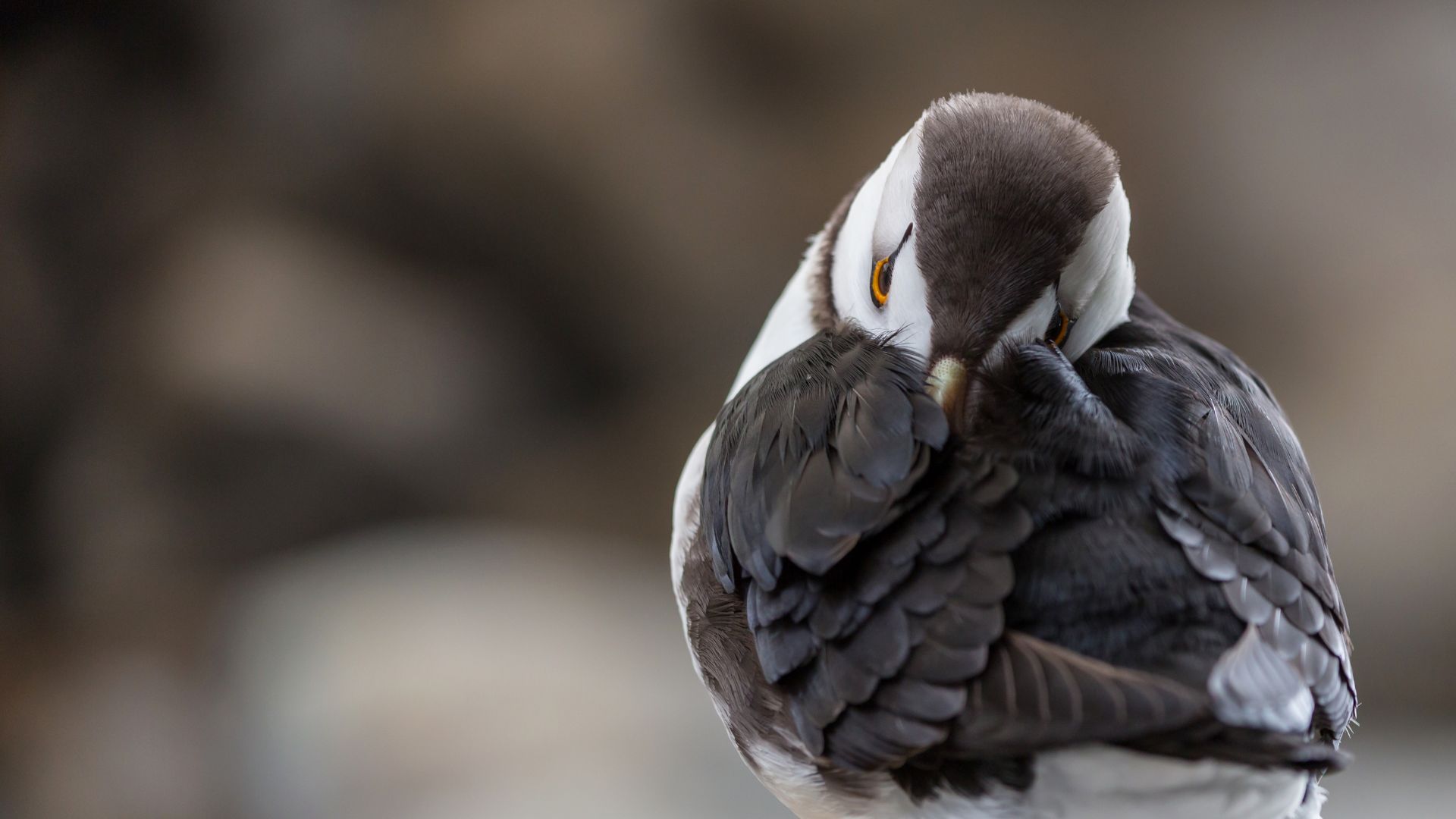
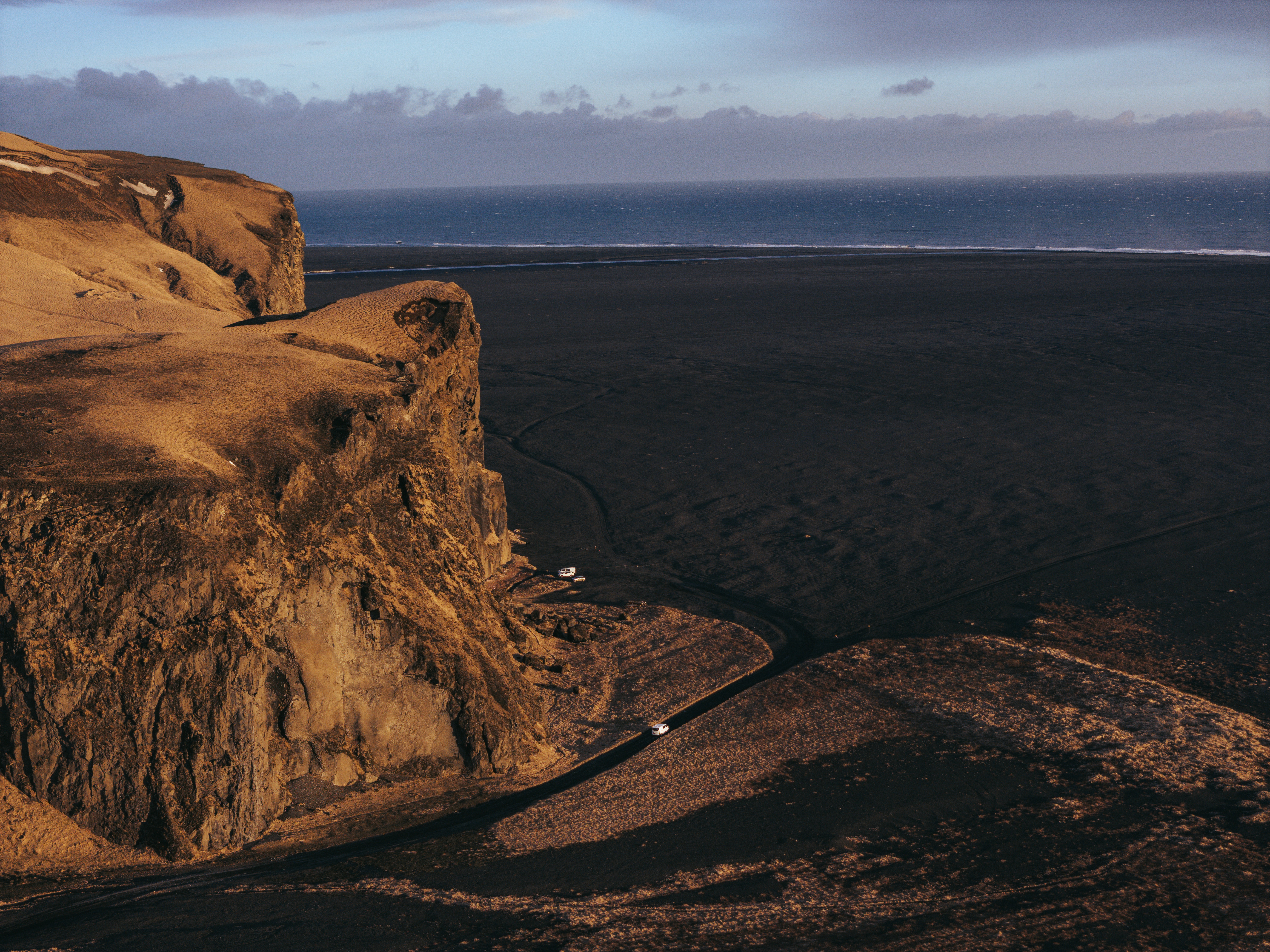
Dyrhólaey is one of the easiest puffin spots to visit if you are travelling along the South Coast.

Dyrhólaey, South Coast

Dyrhólaey is one of the easiest puffin spots to visit if you are travelling along the South Coast. It is close to Vík and offers beautiful views of black sand beaches, sea cliffs and the famous rock arch. During nesting season, puffins can often be seen on the grassy cliffs.

Important: Parts of Dyrhólaey may be closed in May and June to protect nesting birds. Always follow signs and stay on marked paths.
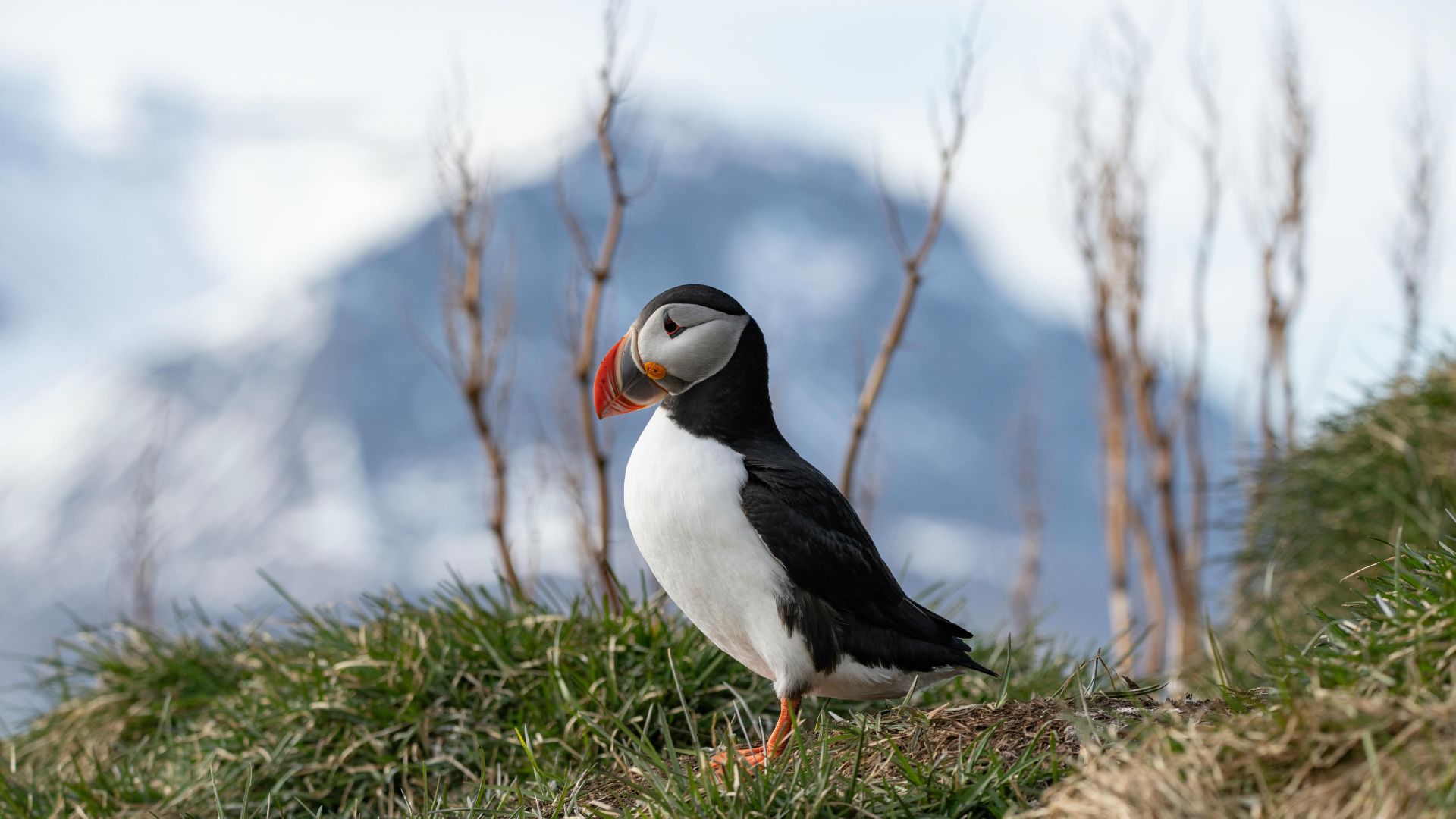
 At Hafnarhólmi, there are viewing platforms and a shelter near the colony, so visitors can watch the birds without damaging their nesting area.

Borgarfjörður Eystri, East Iceland

Borgarfjörður Eystri is one of the best places in Iceland to see puffins safely and close up. At Hafnarhólmi, there are viewing platforms and a shelter near the colony, so visitors can watch the birds without damaging their nesting area. This is a great stop if you are travelling around East Iceland or doing the Ring Road.
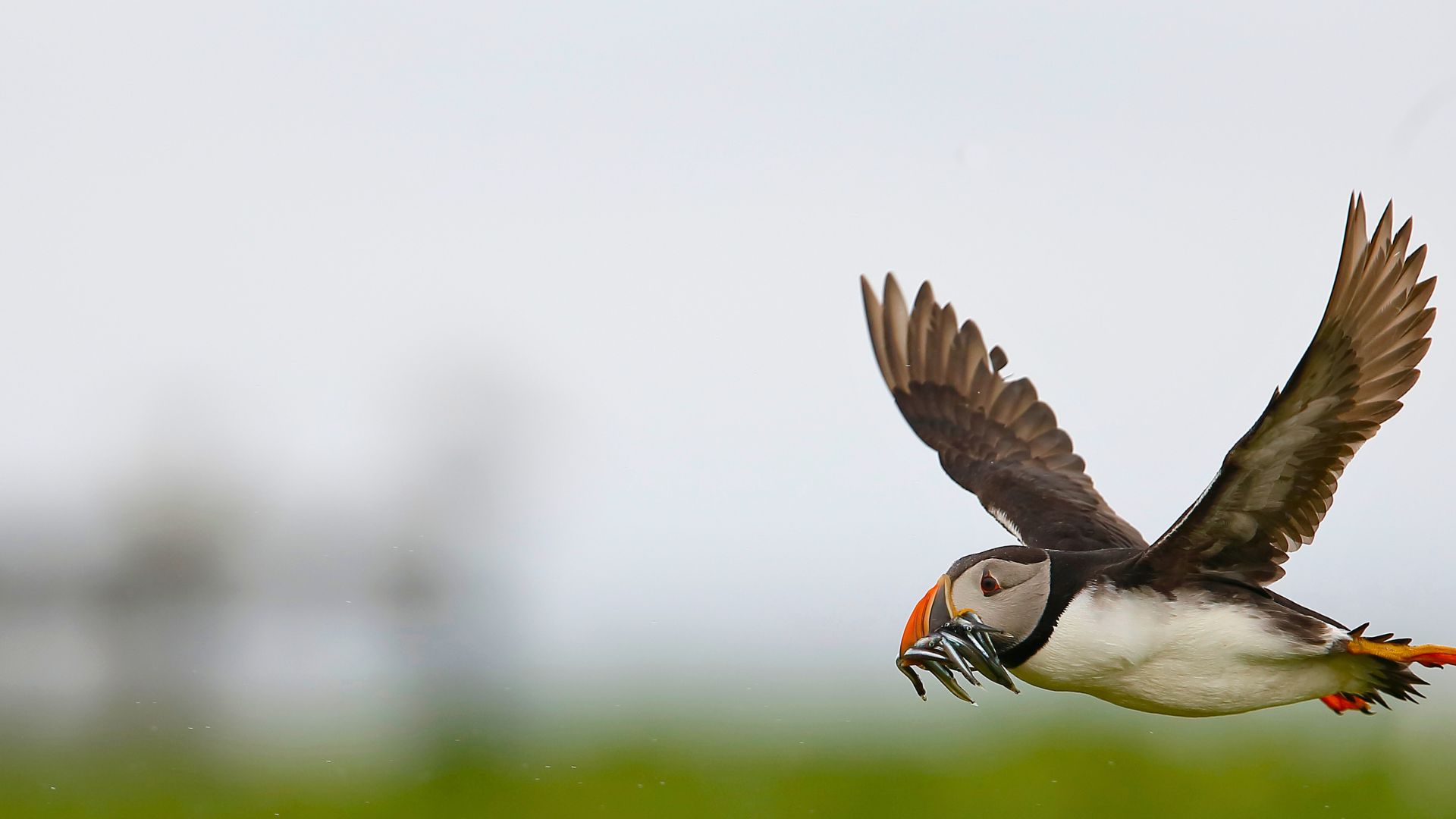
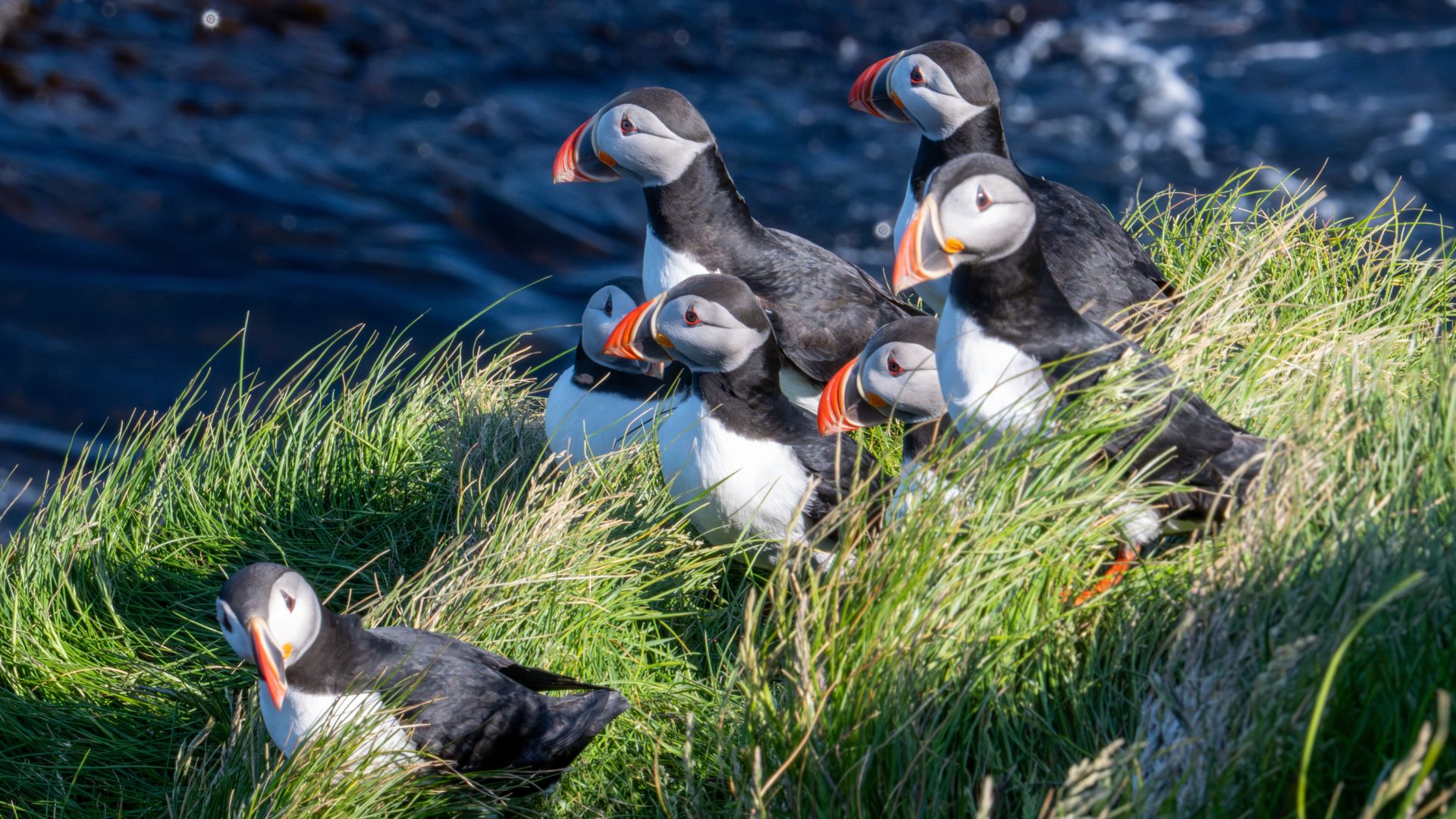
The Westman Islands are one of Iceland’s most important puffin areas.

Westman Islands

The Westman Islands are one of Iceland’s most important puffin areas. Heimaey, the main island, is known for its huge puffin population and strong connection to puffin culture. To get there, you take a ferry from the South Coast. It is a great option if you want to add something special to your Iceland road trip.
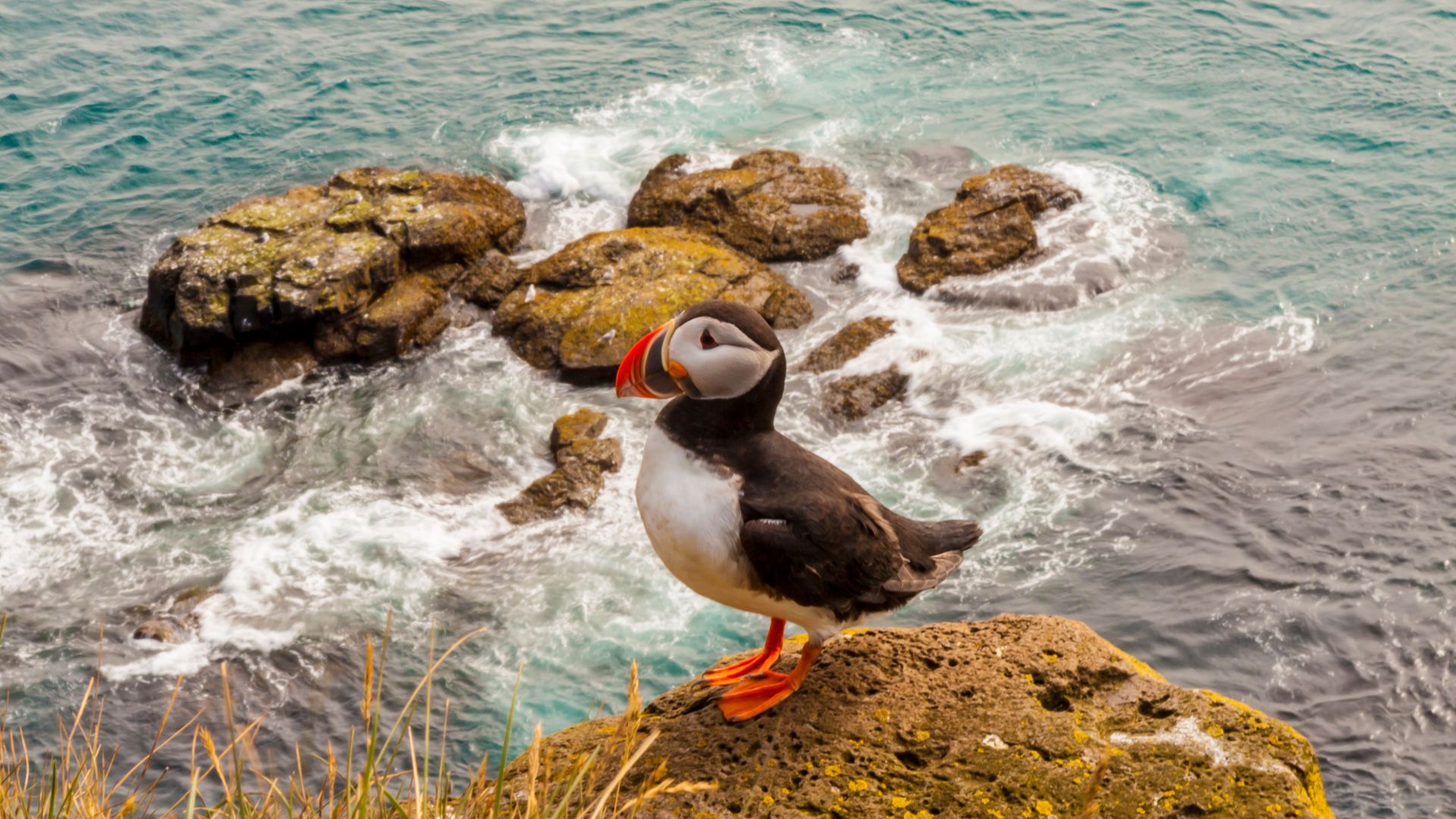
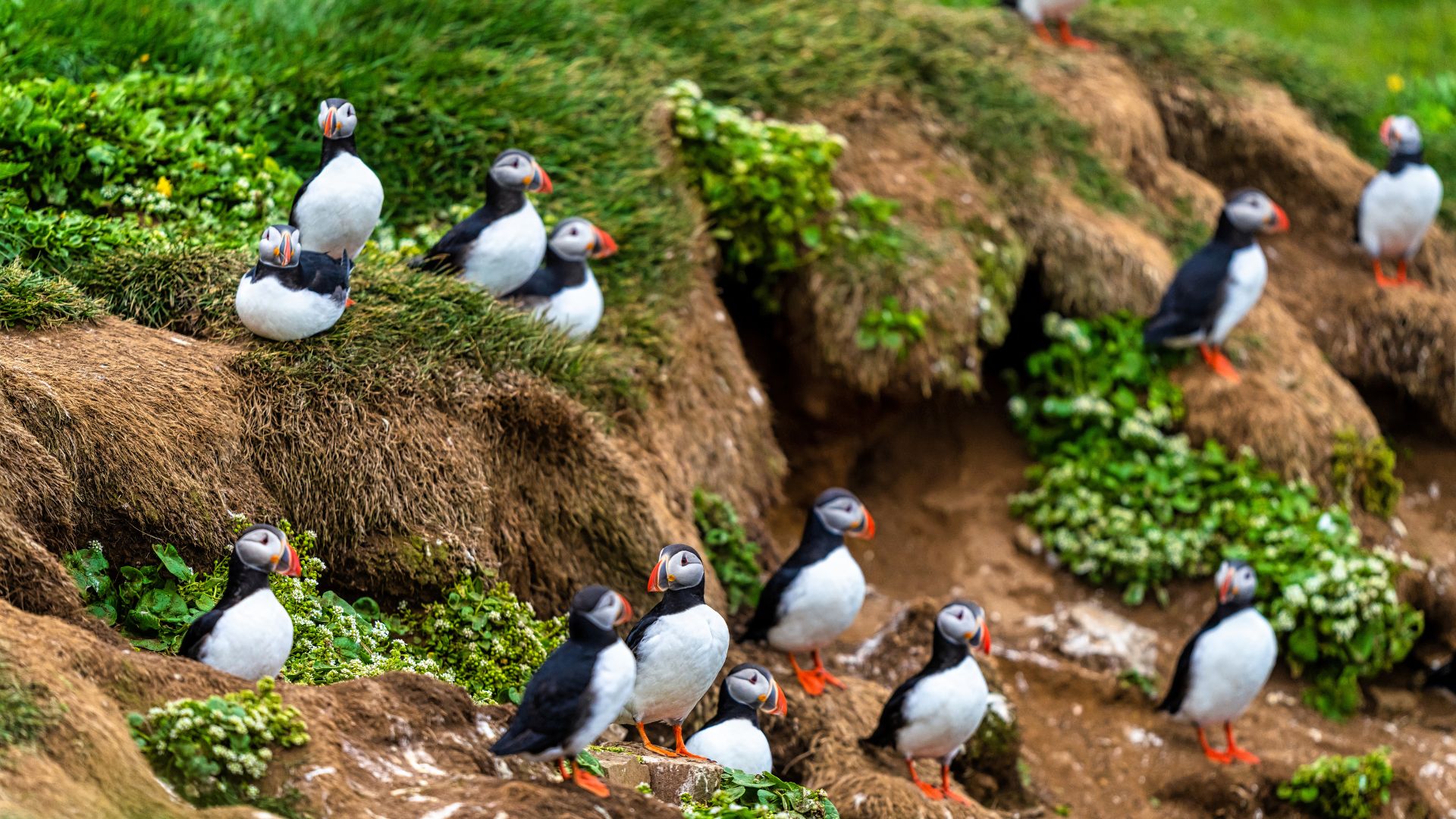
puffin in iceland
puffin in iceland

Ingólfshöfði, South-East Iceland

Ingólfshöfði is a protected headland near the South-East Coast. You cannot simply drive there yourself, but guided tours take visitors across the sands to the nesting area. It is a good choice if you are travelling between Vík, Skaftafell and Jökulsárlón.

Boat tours from Reykjavík Old Harbour often visit small islands such as Lundey, Akurey and Engey during summer.

Lundey, Akurey and Engey, near Reykjavík

If you do not have time to travel far, you can still see puffins near Reykjavík. Boat tours from Reykjavík Old Harbour often visit small islands such as Lundey, Akurey and Engey during summer. This is one of the easiest ways to see puffins if you are staying in the capital.

Grímsey can be a very special puffin watching destination.

Grímsey Island

Grímsey is a remote island on the Arctic Circle. It is known for seabirds, sea cliffs and its far-north atmosphere. It takes more effort to get there, but for travellers who love quiet, remote places, Grímsey can be a very special puffin watching destination.

puffin in iceland

Ingólfshöfði, South-East Iceland

Ingólfshöfði is a protected headland near the South-East Coast. You cannot simply drive there yourself, but guided tours take visitors across the sands to the nesting area. It is a good choice if you are travelling between Vík, Skaftafell and Jökulsárlón.

Boat tours from Reykjavík Old Harbour often visit small islands such as Lundey, Akurey and Engey during summer.

Lundey, Akurey and Engey, near Reykjavík

If you do not have time to travel far, you can still see puffins near Reykjavík. Boat tours from Reykjavík Old Harbour often visit small islands such as Lundey, Akurey and Engey during summer. This is one of the easiest ways to see puffins if you are staying in the capital.

The Tjörnes Peninsula, near Húsavík, is a quieter birdwatching area in North Iceland.

Tjörnes Peninsula, North Iceland

The Tjörnes Peninsula, near Húsavík, is a quieter birdwatching area in North Iceland. It is a good stop if you are visiting the Diamond Circle, Ásbyrgi or going whale watching in Húsavík. It is less crowded than some of the more famous puffin locations, which can make the experience feel more peaceful.

Grímsey can be a very special puffin watching destination.

Grímsey Island

Grímsey is a remote island on the Arctic Circle. It is known for seabirds, sea cliffs and its far-north atmosphere. It takes more effort to get there, but for travellers who love quiet, remote places, Grímsey can be a very special puffin watching destination.

ice fragment near seashore

Your freedom. Your road.

Choose your car and explore Iceland on your own terms.

ice fragment near seashore

Your freedom. Your road.

Choose your car and explore Iceland on your own terms.

ice fragment near seashore

Your freedom. Your road.

Choose your car and explore Iceland on your own terms.

“Framer is one of the best web builders I have ever tried. It’s like magic.”

When is the Iceland Puffin Season?

Author

Timing is everything. If you arrive in September, the cliffs will be empty. The Iceland puffin season typically runs from early May to mid-August.

  • Arrival (May): The first explorers arrive to reclaim their burrows.

  • Peak Viewing (June – July): This is the best time to see them. The parents are busy flying back and forth with mouthfuls of sand eels to feed their "pufflings."

  • Departure (August): By mid-August, the pufflings head out to sea, and the colonies begin to thin out.

Pro Tip: The best time of day to see puffins is usually in the morning (07:00–10:00) or evening (18:00–22:00) when they return to their burrows after a day of fishing.

Puffin Watching Etiquette

Puffin Watching Etiquette

Puffin Watching Etiquette

Puffins may look relaxed, but they are wild birds. Their nesting areas are fragile, so visitors need to be respectful:

  • Stay on marked paths.

  • Do not walk on grassy cliff edges. Puffins nest in burrows underground.

  • Keep a safe distance. Use a zoom lens for photos.

  • Do not touch, feed or chase puffins.

  • Do not fly drones near bird colonies.

  • Keep your voice low and avoid sudden movements.
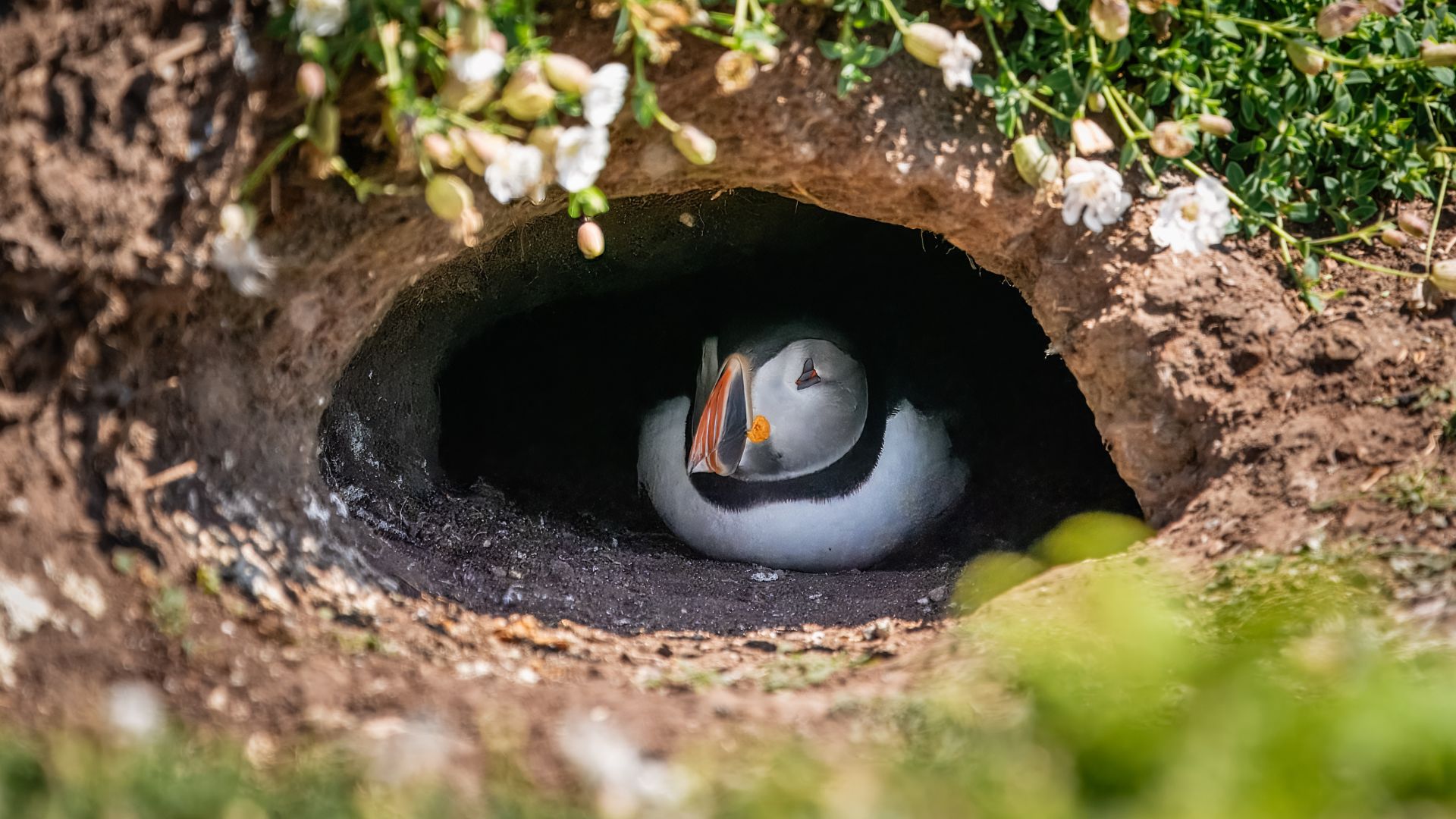
Puffins dig burrows into the soil, often close to cliff edges.

Local Tip from Iceland To Go

Local Tip from Iceland To Go

Local Tip from Iceland To Go

When visiting puffin cliffs, do not only look at the view. Look at the ground too. Puffins dig burrows into the soil, often close to cliff edges. What looks like normal grass may actually be the roof of a puffin nest. Stay back from the edge, follow marked paths and give the birds space. It is safer for you and much better for the puffins.

Simple rental, reliable cars and full comfort - explore Iceland without limits.

man on top brown hill

© 2025 ICELAND TO GO.. All rights reserved.

Simple rental, reliable cars and full comfort - explore Iceland without limits.

man on top brown hill

© 2025 ICELAND TO GO.. All rights reserved.

Simple rental, reliable cars and full comfort - explore Iceland without limits.

man on top brown hill

© 2025 ICELAND TO GO.. All rights reserved.